

Slow network performance, unstable WiFi, limited scalability, and rising upgrade costs are common challenges many businesses face after a period of operation. However, the root cause often lies not in the equipment itself, but in decisions made during the planning, design, and implementation stages of the ICT infrastructure.
As organizations become increasingly dependent on technology, ICT infrastructure is no longer just a connectivity platform. It has become the foundation that supports productivity, security, and business growth. A well-planned infrastructure from the outset helps reduce risks, optimize costs, and adapt more easily to future expansion.
1. What Is ICT Infrastructure?
ICT (Information and Communication Technology) Infrastructure refers to the collection of technology systems that enable connectivity, communication, data storage, and information management within an organization.
A complete ICT infrastructure typically includes:
- LAN/WAN Network Systems
- Structured Cabling System (SCS)
- Enterprise WiFi
- Switches, Routers, and Firewalls
- Data Center or Server Room
- CCTV, Access Control, and other ELV systems
When properly designed and implemented, ICT infrastructure helps businesses maintain stable operations, strengthen security, minimize downtime, and support future growth.
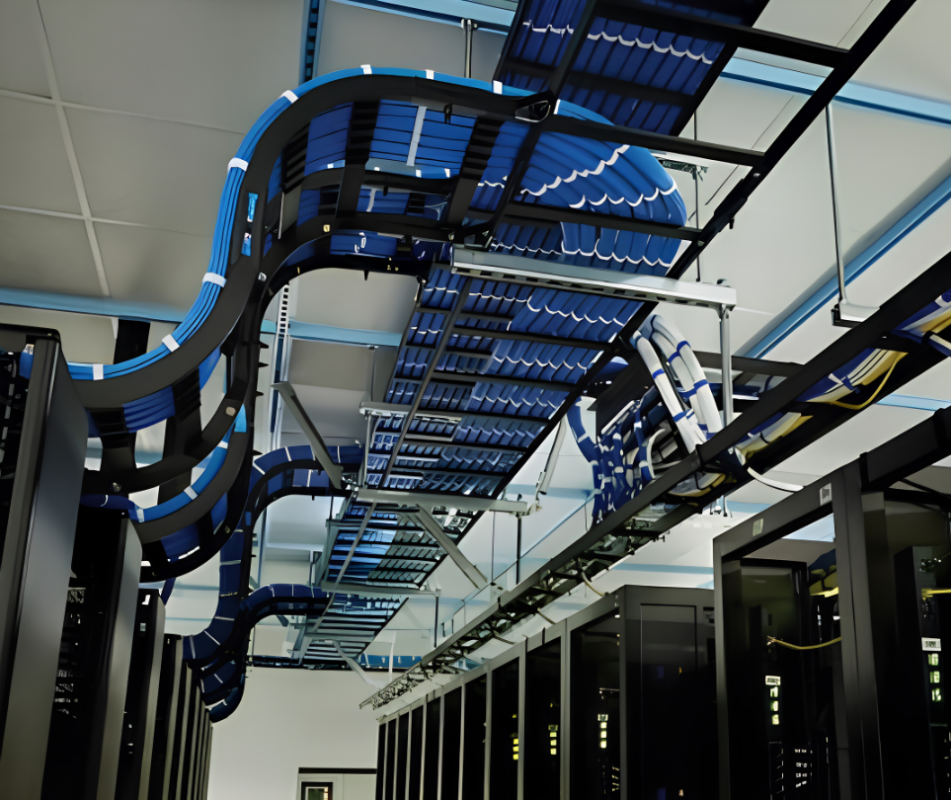
2. Why Do Many ICT Projects Become Costly and Difficult to Scale?
Implementing ICT infrastructure requires close coordination among multiple stakeholders, including business owners, IT teams, facility operators, construction contractors, M&E contractors, and system integrators.
A lack of coordination in just one area can impact the performance of the entire system.
In addition, many organizations focus primarily on upfront investment costs without fully considering scalability, operational efficiency, and total cost of ownership over the long term. As a result, systems may perform well upon handover but quickly reveal limitations as business needs evolve.
3. 6 Common ICT Infrastructure Mistakes That Lead to Higher Costs
- Insufficient Site Survey and Assessment
A site survey is one of the most important phases of any ICT project, yet it is often overlooked.
Many projects only perform a basic assessment of the site without fully analyzing user density, operational requirements, future expansion plans, or environmental conditions. Inaccurate input data often leads to suboptimal design and implementation decisions.
- Designing Only for Current Requirements
A common mistake is designing infrastructure solely around current business needs without considering future growth.
As organizations expand offices, add personnel, or deploy new technology systems, existing infrastructure can quickly become overloaded, resulting in costly upgrades and disruptions.
- Selecting Equipment Based Solely on Price
While budget considerations are important, they should not be the only factor when selecting ICT solutions.
Using incompatible or low-quality equipment can reduce system performance, increase maintenance costs, and create challenges for future upgrades.
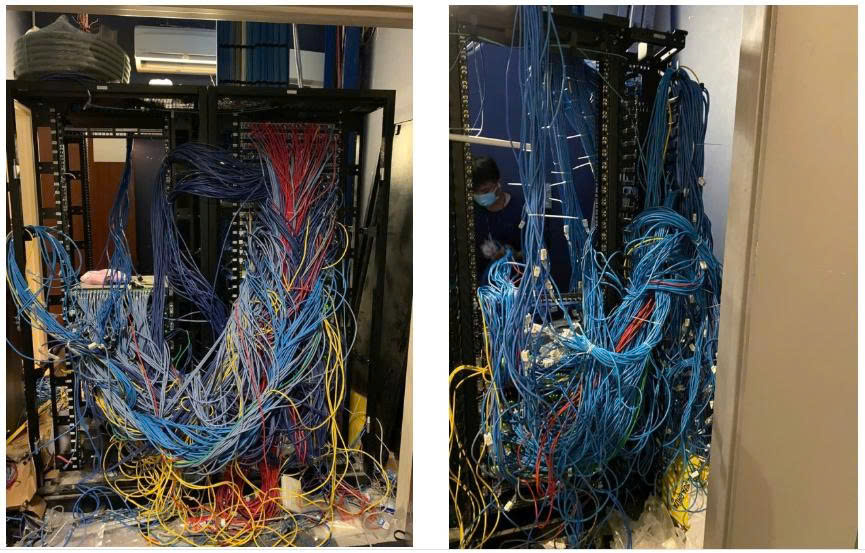
- Poor Installation Practices
Even the best design can fail if implementation quality is compromised.
Common issues include improper cable routing, poor cable management, inadequate labeling, and inefficient rack organization. These shortcomings often make maintenance and troubleshooting more difficult later on.
- Lack of Technical Documentation
Many organizations receive a completed system without comprehensive as-built drawings, network diagrams, or technical documentation.
Without proper documentation, future maintenance, troubleshooting, and system upgrades become more complex and time-consuming.
- No Preventive Maintenance Plan
Many businesses adopt a reactive approach, only addressing issues when failures occur.
Over time, equipment degradation, performance decline, and security vulnerabilities may go unnoticed, potentially affecting business operations and productivity.
4. How to Build an Effective ICT Infrastructure
To avoid these common mistakes, businesses should view ICT infrastructure as a long-term investment rather than a short-term technical requirement.
- Conduct Thorough Assessments
A detailed assessment should include current site conditions, operational requirements, future expansion plans, and business objectives. This provides the foundation for a scalable and efficient design.
- Design with Future Growth in Mind
ICT infrastructure should include sufficient capacity for future expansion, including network bandwidth, rack space, and backbone connectivity. This helps organizations scale without major reinvestment.
- Choose Integrated Solutions
A well-integrated technology ecosystem improves performance, simplifies management, and reduces long-term maintenance complexity.
- Follow Industry Standards
Applying recognized standards for structured cabling, networking, and data center environments helps ensure reliability, performance, and system longevity.
- Establish Maintenance and Operational Procedures
Regular inspections, preventive maintenance, and up-to-date technical documentation help minimize risks and maximize system availability.
5. What Businesses Often Overlook
Many organizations spend significant time selecting equipment but pay less attention to the underlying infrastructure that supports it.
In reality, factors such as structured cabling quality, cable management, network capacity planning, technical documentation, and installation standards have a far greater impact on long-term system performance.
Experience from office, manufacturing, and hospitality projects has shown that investing in a strong infrastructure foundation from the beginning can significantly reduce upgrade costs, maintenance expenses, and troubleshooting time throughout the lifecycle of the system.
6. Conclusion
Many businesses only recognize the limitations of their ICT infrastructure when systems become overloaded, issues begin to occur, or expansion becomes necessary. By that point, the cost of correction is often far greater than the cost of implementing the right solution from the start.
Thorough planning, future-focused design, appropriate technology selection, and adherence to implementation standards are critical to building a secure, reliable, and scalable ICT environment.
As digital transformation continues to accelerate, ICT infrastructure is no longer just a technical requirement—it is a strategic foundation that supports business growth and long-term competitiveness.
Explore Netcab’s ICT Infrastructure projects or contact our team of experts to discuss the right solution for your office, factory, hotel, or commercial development
Contact us