

In the era of digital transformation, rapid advancements in AI, and the widespread adoption of cloud computing, data has evolved from a supporting operational asset into a critical foundation for business growth and competitiveness. From ERP systems and IoT applications to AI workloads and cloud-native environments, the demand for storing, processing, and securing data is increasing at an unprecedented pace.
This presents a significant challenge for businesses: how can they build a Data Center infrastructure that not only meets current requirements but also scales effectively to support growth over the next 5–10 years?
In practice, many organizations face challenges after just a few years of operation, including insufficient rack space, overloaded power systems, cooling limitations, or the need to redesign their cabling infrastructure due to inadequate planning for future expansion. Therefore, building a modern Data Center should be viewed as a long-term strategic investment rather than simply an IT infrastructure project.
1. Adopt a “Scalability First” Approach from the Design Phase
One of the most common mistakes when building a Data Center is focusing solely on current requirements without considering future growth. This often results in systems reaching capacity limits too quickly, leading to costly upgrades and operational disruptions.
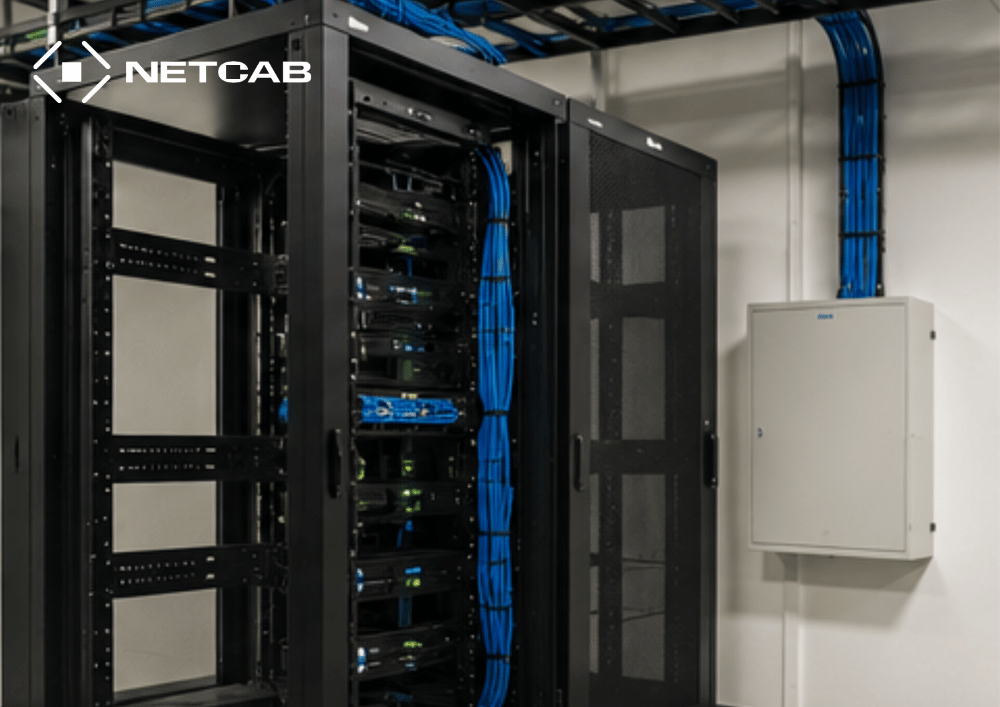
Modern Data Centers should be designed with scalability in mind from the outset, including:
- Reserved rack space for future expansion
- Flexible structured cabling infrastructure
- Additional power and cooling capacity
- Scalable network and server infrastructure
- Modular architecture to facilitate future upgrades
For many enterprise and manufacturing projects, reserving 20–30% additional capacity during the initial design phase can significantly optimize long-term investment costs while minimizing operational risks.
2. Build a Structured Cabling System Based on International Standards
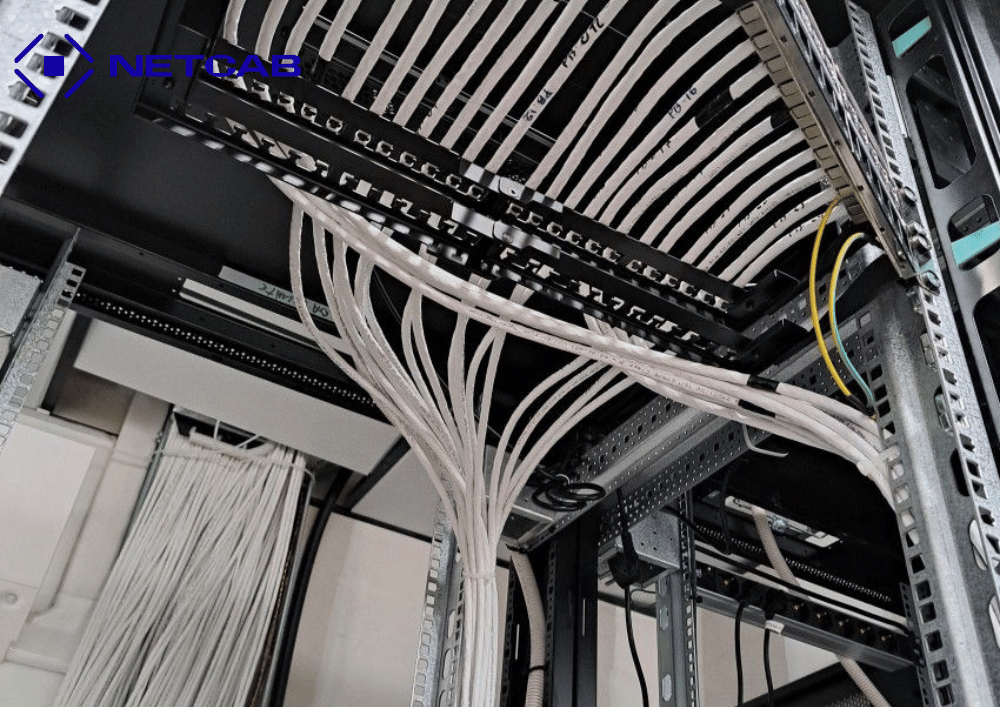
The Structured Cabling System serves as the backbone of any Data Center infrastructure. In reality, it is often one of the most expensive components to upgrade when future expansion was not adequately considered during the initial design.
To ensure long-term operational efficiency, organizations should adopt internationally recognized standards such as TIA-942 and ISO/IEC, while paying close attention to:
- Selecting copper and fiber optic cabling appropriate for bandwidth requirements
- Designing logical backbone and horizontal cabling architectures
- Implementing professional cable management systems
- Providing redundancy for critical equipment connections
- Ensuring maintainability and future scalability
A well-designed Structured Cabling System not only improves performance but also significantly reduces maintenance efforts and operational costs throughout the Data Center lifecycle.
3. Ensure Reliable Power and Cooling Infrastructure
Power and cooling systems are two of the most critical factors determining Data Center availability and reliability.
Industry studies have consistently shown that a significant percentage of Data Center outages are related to power failures or environmental conditions. Therefore, organizations should invest in:
Power Infrastructure:
- Uninterruptible Power Supply (UPS) systems
- Backup generators
- Intelligent Power Distribution Units (PDUs)
- N+1 or 2N redundancy designs
Cooling Infrastructure:
- Precision Cooling systems
- In-row Cooling solutions
- Hot/Cold Aisle Containment
- Real-time temperature and humidity monitoring systems
Investing in reliable power and cooling infrastructure not only ensures continuous operation but also extends equipment lifespan and optimizes operating costs.
4. Build a Modern and Flexible Network Architecture
The rapid growth of AI, IoT, and cloud computing has created increasingly demanding requirements for Data Center networking infrastructure.
To support high bandwidth, low latency, and flexible scalability, many organizations are adopting:
- Spine-Leaf network architecture
- High-speed networking infrastructure (25G/40G/100G)
- Redundancy and High Availability designs
- Network Segmentation
- Software Defined Networking (SDN)
A properly designed network architecture not only meets current business requirements but also establishes a solid foundation for future technologies such as AI and Big Data applications.
5. Strengthen Physical Security and Intelligent Monitoring
Data Center security today extends far beyond cybersecurity. It also encompasses physical security and operational monitoring.
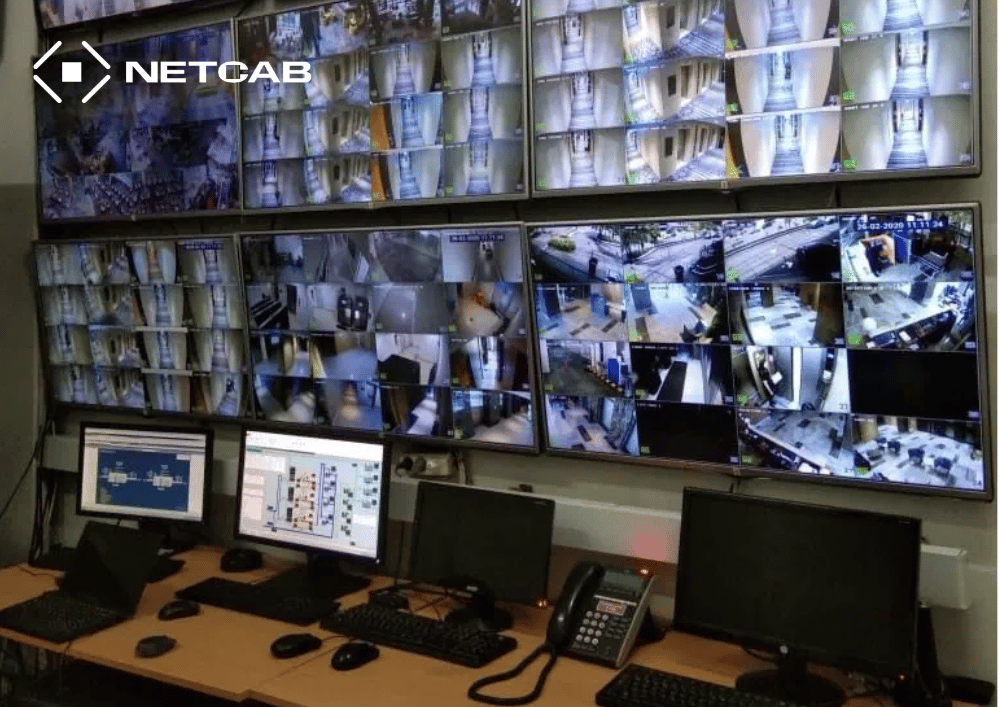
A comprehensive security framework typically includes:
- Access Control Systems
- AI-powered Video Surveillance Systems
- Real-time environmental monitoring
- Automated alert and incident management systems
- Access logging and audit trail management
Integrating intelligent monitoring and security solutions enables organizations to improve visibility, minimize risks, and protect critical assets more effectively.
6. Choose an Experienced Implementation Partner
Beyond technology and equipment, the expertise and experience of the consulting and implementation partner play a critical role in determining the success of a Data Center project.
An ideal partner should offer:
- Proven experience in Data Center projects
- Highly skilled technical teams
- End-to-end solution capabilities
- Strong understanding of international standards
- Long-term support and maintenance services
Choosing the right partner from the beginning helps organizations avoid costly mistakes, shorten deployment timelines, and ensure stable operations throughout the entire lifecycle of the Data Center.
Conclusion
As data continues to become a strategic asset, Data Centers are no longer merely facilities for housing IT equipment. They have become essential platforms that enable sustainable business growth and competitiveness.
An effective Data Center infrastructure must be built around scalability, availability, operational efficiency, and comprehensive security. Investing correctly from the outset enables organizations to optimize long-term costs, reduce risks, and remain prepared for future growth opportunities.
With more than 10 years of experience in ICT and ELV infrastructure, NETCAB delivers comprehensive Data Center solutions, from consulting and design to implementation and maintenance, helping organizations build a strong technological foundation for sustainable growth.