

IT Maintenance Services play an essential role in keeping business systems stable, secure, and efficient. However, not every organization has the resources to maintain a dedicated in-house IT team. Here are five signs that outsourcing IT maintenance may be the right choice for your business.
In today’s digital business landscape, IT infrastructure is no longer a “back-end” function—it has become a critical factor determining a company’s survival. A slow network, frequent server downtime, or weak cybersecurity can cost businesses tens or even hundreds of millions of VND within just a few hours of disruption.
However, not every company has the resources to maintain a strong in-house IT team. As a result, outsourcing IT maintenance and support services has become a strategic solution widely adopted by many businesses in Vietnam.
Below are the key signs that indicate it may be time to consider outsourcing:
1. Limited in-house IT team with insufficient expertise
This is one of the most common challenges, especially for small and medium-sized enterprises. If your internal IT team can only handle basic troubleshooting but struggles with more complex systems such as network infrastructure, virtualized servers, hybrid cloud environments, or advanced cybersecurity solutions, operational efficiency will be limited.
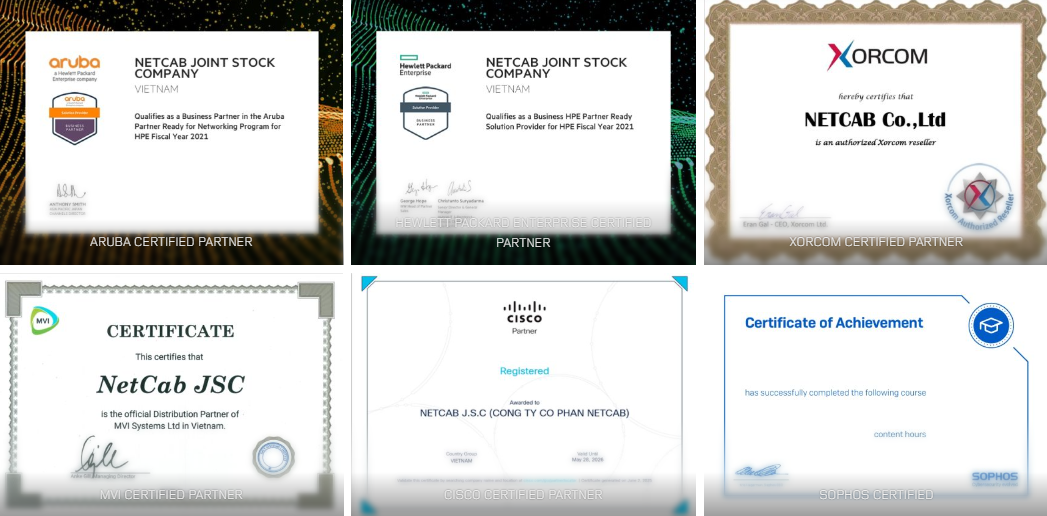
Outsourcing allows businesses to immediately access certified engineers (CCNA, CCNP, Microsoft, Cisco, Fortinet, etc.) with diverse hands-on experience—without the high costs of recruitment, training, and retention in an increasingly competitive IT talent market.
2. High operational costs with low efficiency
The true cost of maintaining an in-house IT team goes beyond salaries. It includes insurance, employee benefits, ongoing training, monitoring tools, licensed software, and workspace expenses. Many businesses find that these costs gradually erode profits while system performance remains suboptimal.
Professional service providers operate with standardized processes, centralized tools, and experience across multiple clients, enabling significant cost optimization. This shifts your expenses from fixed costs to flexible service-based fees, making budgeting and cost control more manageable.
3. Frequent system issues and unstable performance
Common signs include unstable networks, slow applications, frequent server reboots, and weak office Wi-Fi. These are clear indicators of reactive maintenance practices.
Each disruption not only reduces employee productivity but also directly impacts revenue and customer experience.
Professional IT Maintenance Services help businesses identify potential system issues early, reduce unexpected downtime, and maintain stable IT operations.
4. Increasing demands for data security and compliance
In the digital era, cybersecurity threats are becoming more sophisticated, while data protection and regulatory requirements are becoming more stringent. Businesses must not only deal with ransomware, phishing, and targeted cyberattacks, but also comply with regulations such as the Cybersecurity Law, Personal Data Protection Law, and international standards like ISO 27001.
Maintaining an effective security system requires significant expertise and resources—from patch management and firewall configuration to backup policies and disaster recovery planning (DRP). Without proper and continuous implementation, the risks of data loss, operational disruption, or even legal penalties are substantial.
In this context, outsourcing IT maintenance becomes an optimal solution. It enhances overall security through expert support, standardized processes, and modern tools—ensuring continuous monitoring, protection, and compliance with information security requirements.
5. The need to focus on core business activities
For small and medium-sized businesses, resources are limited and should be prioritized for value-generating activities such as product development, sales, and customer service. However, many companies still spend significant time and effort dealing with daily IT issues.
Seemingly minor problems—such as printer errors, slow networks, or email disruptions—can interrupt workflows, reduce productivity, and negatively impact customer experience, especially during periods of rapid growth or digital transformation.
Outsourcing IT maintenance services helps eliminate the burden of managing technology infrastructure. It ensures that technical issues are handled quickly and professionally, allowing teams to focus entirely on core business activities, improve operational efficiency, and drive sustainable growth.

🔹 Expert Insights: Choosing the Right IT Maintenance Services Provider
Outsourcing IT services is not about losing control but building a strategic partnership. Businesses should prioritize providers with proven experience, certified technical teams, clear SLA commitments, and comprehensive IT support capabilities.
Choosing the right IT Maintenance Services provider helps minimize downtime, optimize costs, and ensure long-term operational stability.
As one of the trusted IT maintenance service providers in Vietnam, Netcab is ready to support your business in optimizing systems and improving operational efficiency.
👉 Register for a free consultation to assess your current infrastructure Contact us
👉 Or contact us directly via hotline: +84 28 3526 0996
Netcab – Your reliable IT infrastructure partner for sustainable business growth.