

In today’s information technology landscape, the network system is a vital component of every business. However, not all networks are built the same. There are two primary methods for building-wide network cabling: Structured Cabling Systems and Conventional (Point-to-Point) Cabling Systems. The choice between these methods can significantly impact performance, costs, and long-term scalability. So, which is the optimal choice for modern enterprises? Let’s explore and compare these two systems below.
- What is Conventional Cabling?
A conventional cabling system is a method where network wiring is established via direct connections between devices, without following a standardized structure or an overall initial design. Connections are typically deployed on an as-needed basis, with each device linked to a central unit through an individual cable.
For example, when adding a new computer to the system, a technician runs a cable directly from the switch to that device’s location. This process is repeated for every new piece of equipment, causing the system to expand in a fragmented manner rather than through synchronized planning.
Commonly Used Types of Conventional Cables
In conventional systems, various cable types are utilized depending on technical requirements and the deployment environment. The most common include:
Twisted Pair Cables are the most popular in modern LANs due to their reasonable cost and ease of deployment.
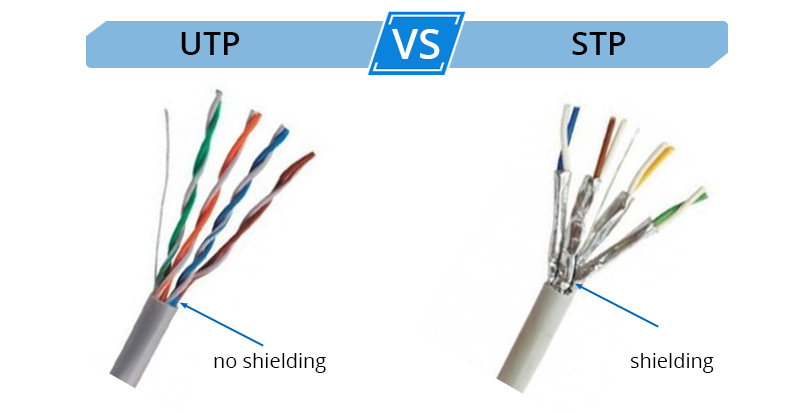
- UTP (Unshielded Twisted Pair): Consists of multiple pairs of wires twisted together without electromagnetic shielding. Suitable for standard office environments.
- STP (Shielded Twisted Pair): Features a metallic foil or braid shielding to reduce electromagnetic interference (EMI), ideal for environments with a high density of electrical equipment.
Coaxial Cable (Coaxial): Thanks to its unique architecture, this cable offers excellent interference resistance and is commonly used in cable television (CATV) or broadband network systems.
Fiber Optic Cable (Fiber Optic): Utilizes optical fibers to transmit data as light pulses, allowing for high-speed data transmission over long distances with minimal interference.
Pros and Cons
| Cable Type | Pros | Cons |
| UTP | Low cost, easy to install | Susceptible to electromagnetic interference (EMI) |
| STP | GBetter interference reduction than UTP | Higher cost, more difficult to install |
| Coaxial | Stable signal transmission, low interference | Difficult to install, bulky |
| Fiber Optic | High transmission speeds, low signal attenuation | High cost, requires complex technical installation |
This deployment approach can help save time and initial investment costs. However, in the long-term, conventional cabling systems pose numerous limitations regarding management, maintenance, and scalability. Consequently, this method is typically only suitable for small-scale systems, temporary setups, or projects with budget constraints.
2. What is Structured Cabling?
In contrast to conventional cabling, Structured Cabling is a method of deploying network infrastructure according to a comprehensive, organized design that adheres to international technical standards.
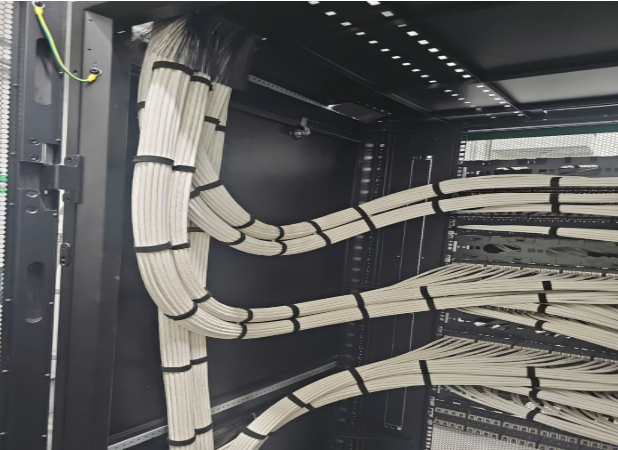
This system comprises a set of components—including network cables, telephone lines, fiber optics, and connectivity hardware—all installed within a unified architecture. Every connection is clearly planned, fully labeled, and typically centralized in dedicated areas such as Equipment Rooms or Telecommunications Rooms.
Key Components of a Structured Cabling System
In practical deployment, a structured cabling system is generally divided into two main parts: Backbone Cabling and Horizontal Cabling. These are the two primary cabling methods widely used in modern structured systems.
- Backbone Cabling: This is the cabling system that connects critical areas such as equipment rooms, telecommunications rooms, and the building’s entrance facilities. It serves as the “spine” of the entire network. Typically, backbone cabling is deployed vertically (Inter-building or Intra-building), connecting different floors or functional zones.
Horizontal Cabling: This system connects the telecommunications rooms to individual outlets or work areas on the floor. Unlike backbone cabling, horizontal cabling is usually deployed across a single floor and commonly utilizes twisted-pair cables (UTP or STP).
3. Detailed Comparison: Structured Cabling vs. Conventional Cabling
To help you better visualize and compare the two systems, the following table summarizes their key differences:
| Criteria | Conventional Cabling | Structured Cabling |
| Design | Ad-hoc wiring, direct connections, non-standardized. | Organized design, complies with standards (TIA/EIA, ISO). |
| Management & Maintenance | Difficult to control, troubleshooting is time-consuming. | Easy to manage, quickly identify and resolve faults. |
| Performance | Susceptible to interference, inconsistent operation. | Stable, high bandwidth, minimal errors. |
| Scalability | Limited, requires re-wiring during upgrades. | Flexible, easy to expand and upgrade. |
| Total Cost | Low initial cost, but expensive in the long run. | Higher initial investment, but long-term savings. |
| Risk of Failure | High. | Low. |
In summary, while conventional cabling is only suitable for small systems or short-term deployments, structured cabling serves as a strategic solution for modern businesses. It is not just an infrastructure option, but a long-term investment in the performance, reliability, and future scalability of the system.
What is the Optimal Choice for Modern Enterprises?
Based on the comparison criteria, it is clear that Structured Cabling is the superior option in most cases. Although the initial investment may be higher than conventional cabling, the long-term value provided by this solution is substantial.
For small businesses with simple networking needs and limited budgets, conventional cabling may be considered a temporary fix. However, these businesses should anticipate difficulties in management, maintenance, and the costs incurred when the system needs to expand.
Conversely, for growing enterprises or those with complex network infrastructure requirements, structured cabling is virtually essential. This solution not only ensures system performance and stability but also provides a flexible foundation for future expansions and upgrades. Efficient management combined with optimized long-term operating costs makes structured cabling a sound and sustainable investment.
Conclusion
In summary, a well-designed and organized network infrastructure is no longer just a support element but has become the core foundation that enables businesses to operate efficiently and achieve sustainable growth. Choosing a Structured Cabling System not only addresses current challenges but also prepares your business to adapt to future changes and opportunities.
If your business is looking for a stable, manageable, and long-term scalable network infrastructure solution, structured cabling is the optimal choice.
👉 Contact Netcab now for:
- Consultation on solutions tailored to your actual needs.
- Site surveys and cost-optimized system design.
- Professional deployment following international standards.